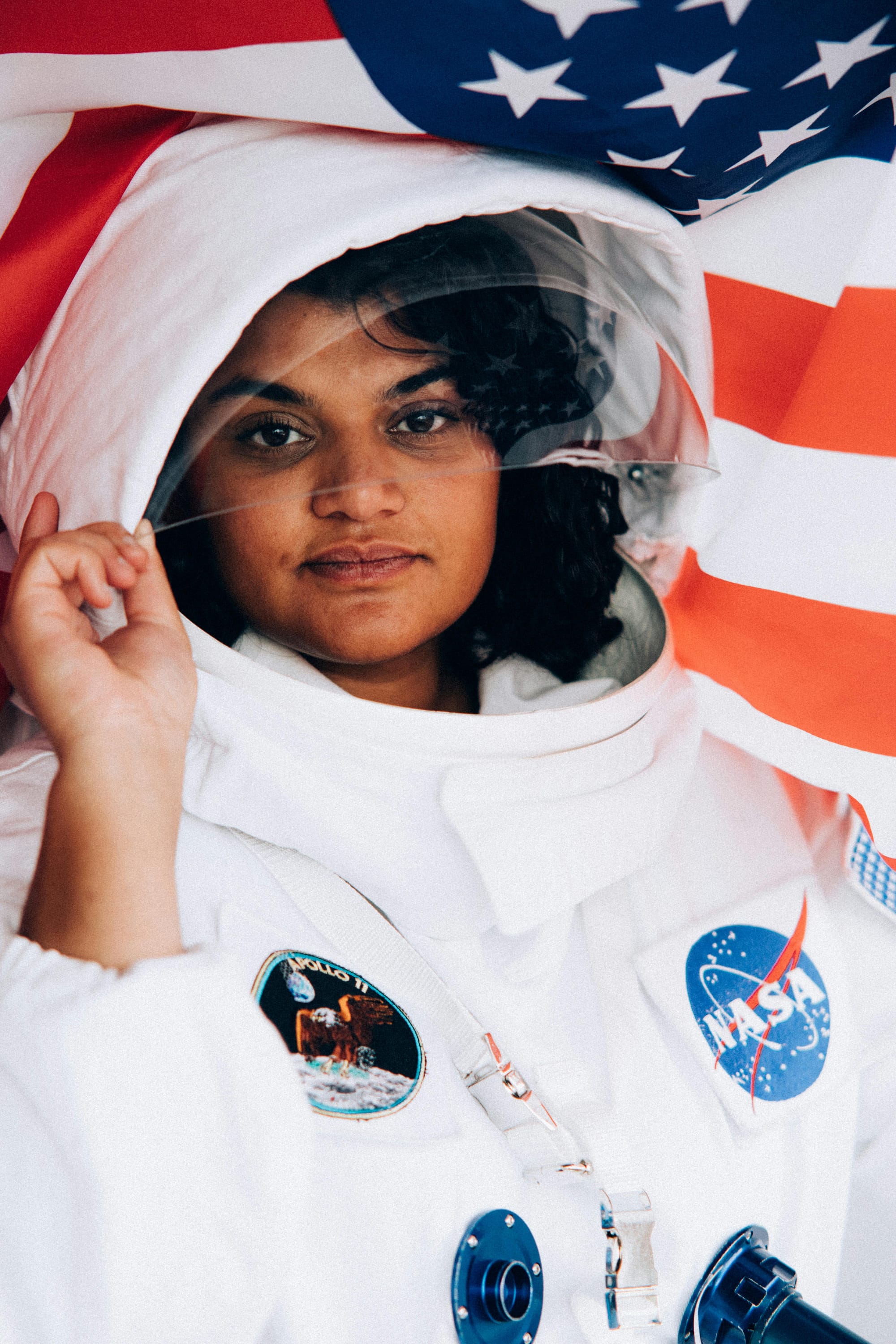
Home is Bigger Than We Thought: A Former Astronaut Reflects on Artemis II
As I sit here watching the live feed of the Artemis II crew preparing for their return to Earth this Friday evening, my mind can't help but wander back through the years. Space exploration has always been a profound source of inspiration for me. The world is captivated by this mission that takes us one step closer to our lunar neighbor and beyond. But as a former astronaut who's also deeply passionate about cultural immersion, I see the Artemis II journey as more than just a scientific milestone; it’s a testament to human curiosity and our unquenchable thirst for discovery.
You know, every destination has its own story to tell, and space is no different. It reminds me of my travels around the globe, where each place taught me something new about what home means. So, as we welcome the Artemis II crew back to Earth, let’s dive into what this mission truly signifies for our future in space.
The Artemis II Mission: A Giant Leap
The Artemis II mission is a monumental step forward in space exploration. Building on the success of the uncrewed Artemis I mission, this 10-day expedition will carry four astronauts—three Americans and one Canadian—on an incredible journey around the Moon. It’s been nearly half a century since humans last set foot on the lunar surface during the Apollo era, and now we’re returning with advanced technology and a new generation of space explorers.
Imagine being Reid Wiseman, Victor Glover, Christina Koch, or Jeremy Hansen, hurtling through space in the Orion spacecraft. Their mission is more than just a flight; it’s a dress rehearsal for future lunar landings and a stepping stone toward Mars. The Orion is designed to withstand the harsh conditions of space travel, from extreme temperatures to radiation exposure, all while ensuring a safe return for its crew.
The Lunar Gateway: A New Frontier
One of the most exciting aspects of Artemis II is its role in establishing the Lunar Gateway. This orbiting outpost will serve as a multi-purpose station, supporting lunar surface missions and acting as a staging point for deeper space exploration. Think of it as a cosmic rest stop where astronauts can refuel, conduct research, and prepare for longer journeys.
The Lunar Gateway represents international collaboration at its finest. NASA, ESA (European Space Agency), JAXA (Japan Aerospace Exploration Agency), and CSA (Canadian Space Agency) have all contributed to this groundbreaking project. It’s not just a space station; it’s a symbol of what we can achieve when nations come together with a shared vision.
The Gateway will be crucial in understanding the Moon's resources, such as water ice, which could be used for fuel and life support systems. This knowledge is essential for sustaining long-term human presence on the lunar surface and paves the way for future missions to Mars. It’s like discovering new ingredients that can revolutionize our recipes for space exploration.
Embracing Global Collaboration
Space exploration has always been a global endeavor, and Artemis II is no exception. The mission highlights the importance of international cooperation in achieving our collective goals. Just as food brings people together across cultures, so too does space travel unite nations under a common banner of curiosity and innovation.
Growing up in Mexico City, I witnessed firsthand how education can bridge cultural divides. My family’s commitment to teaching instilled in me a deep appreciation for diverse perspectives. The Artemis II mission embodies this spirit of unity, with astronauts from different backgrounds working together toward a shared objective. It’s like cooking a dish where each ingredient adds its unique flavor, creating something greater than the sum of its parts.
Technology and Innovation: The Backbone of Space Travel
The success of Artemis II hinges on cutting-edge technology and innovation. The Orion spacecraft features advanced life support systems, radiation protection, and communication capabilities. These advancements are not only critical for lunar missions but also lay the groundwork for future exploration to Mars and beyond.
For instance, the spacecraft’s heat shield is designed to withstand temperatures up to 5,000 degrees Fahrenheit during re-entry—a technological marvel that ensures the safety of the crew. Similarly, Orion's propulsion system uses a combination of liquid hydrogen and oxygen to generate thrust, making it one of the most efficient engines in space travel.
Think about it like this: if space is the kitchen, then these technologies are the high-tech appliances that allow us to cook up some truly groundbreaking dishes.
Overcoming Challenges: Lessons from Artemis I
The Artemis II mission builds on the lessons learned from Artemis I, which completed its journey around the Moon in December 2022. The uncrewed flight provided invaluable data on the spacecraft’s performance and identified areas for improvement. Engineers discovered that some systems required adjustments to better withstand the rigors of space travel.
These insights have been instrumental in preparing Orion for human crew members. The Artemis II mission will further test these improvements, ensuring a safer and more reliable spacecraft for future missions. Just as cooking requires constant adjustment and refinement, so too does space exploration demand continuous learning and adaptation.
The Human Element: Stories from the Stars
As we eagerly await the return of the Artemis II crew, it’s essential to remember the human element behind these extraordinary achievements. Each astronaut brings a unique story and perspective to their mission, enriching our understanding of what it means to be human in space.
Christina Koch, for instance, holds the record for the longest single spaceflight by a woman, spending 328 days on the International Space Station (ISS). Her experiences provide valuable insights into the psychological and physiological challenges of long-duration space travel. Reid Wiseman, who previously served as commander of Expedition 41 on the ISS, brings his extensive leadership experience to Artemis II.
These astronauts are not just crew members; they are pioneers in their own right, each adding a new chapter to the story of human space exploration. It’s like hearing different stories from a potluck dinner, where each dish tells a unique tale of its origins and the hands that crafted it.
Conclusion: Embrace the Journey
The return of the Artemis II crew this Friday evening marks a significant milestone in our ongoing quest for knowledge and discovery. As we celebrate their achievements, let us also reflect on the broader implications of space exploration. The world is my classroom, and every trip is a new lesson. Just as food brings people together across cultures, so too does space travel unite nations under a common banner of curiosity and innovation.
So, I encourage you to embrace the journey, savor the moments, and explore the vast expanse of our universe. Whether it’s through cultural immersion or culinary experiences, let us continue to seek out new horizons and broaden our understanding of home.
Travel is the spice of life, and I’m always hungry for more. What about you? Will you join me in this grand adventure?
Enjoyed this? Enter your email for a weekly digest from Budgetbackpacker Blog.